-
 Read more: Canada’s Opportunity in Sustainable AI Infrastructure
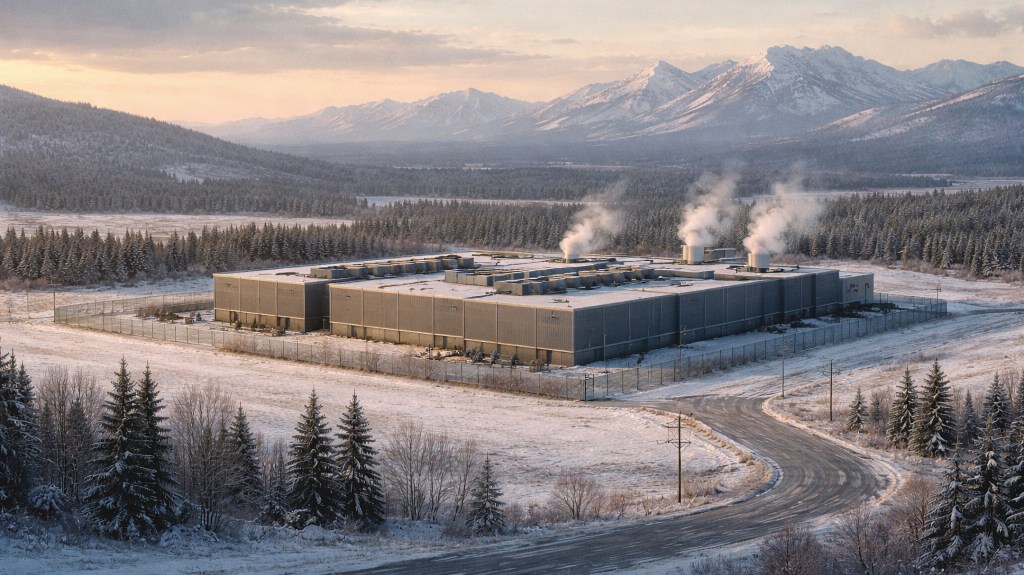
A major AI data centre is planned for rural Alberta, with both the facility and its power plant expected to use closed-loop cooling. As AI infrastructure faces criticism over water and energy use, cooling design matters. In cooler climates like Canada, closed-loop systems paired with free cooling could significantly reduce environmental impacts while supporting continued AI capacity build-out.
-
 Read more: Hurricane Melissa Shows How Recovery Overshadows Risk Reduction | GPJ Editorial
Hurricane recovery often receives more political attention and funding than efforts to reduce risk before disasters strike. Post-disaster financing can help governments respond quickly, but it does little to prevent damage or loss of life. Without stronger investment in risk reduction, communities remain exposed to repeated and escalating climate impacts.
-
 Read more: How Defence Spending Can Strengthen Critical Infrastructure | CSPC Editorial
Defence spending can be leveraged to build climate-resilient infrastructure by aligning national security and local adaptation priorities. A defence–civilian co-funding model could strengthen critical systems, ensure resilience is integrated from the design stage, and lessen dependence on costly military response during extreme weather events.
-
 Read more: The Rise of GenAI, the Return of Nuclear, and the Question of Resilience
Generative AI is rapidly expanding, driving demand for energy-intensive data centres and renewed interest in nuclear power, particularly small modular reactors. As governments and companies invest in these technologies, questions arise about the resilience of the systems that will power and support them. This article examines the intersection of AI growth, nuclear energy development, and infrastructure resilience, highlighting climate-related risks, power grid vulnerabilities, and the lessons from past large-scale disruptions. It argues for designing energy and digital systems that can withstand and adapt to the increasing pressures of a changing and uncertain world.
-
 Read more: Organizational Silos: A Barrier to Climate-Ready Cities
Organizational silos within city governments and partner agencies limit communication, coordination, and innovation, making it difficult to address complex climate challenges. Cross-sector collaboration and integrated governance are essential for overcoming these barriers and building more climate-ready, resilient cities.
 Urban Solutions