-
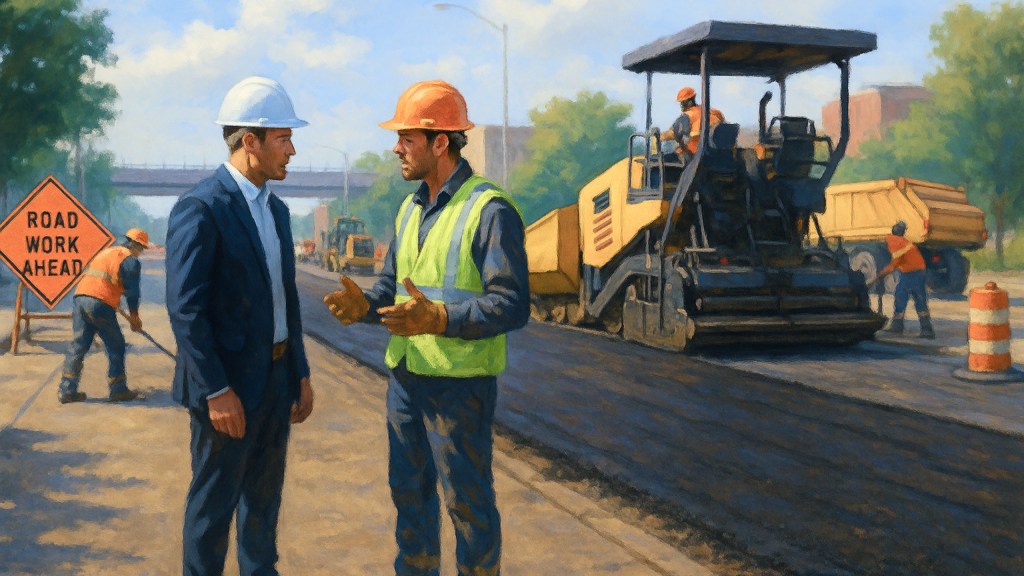 Read more: Public-Private Partnerships: Are they good or bad?
Public-private partnerships (PPPs) offer innovation, expertise, and funding for public infrastructure and services but also carry risks such as accountability gaps and profit-driven priorities. Careful design, oversight, and governance are essential to ensure PPPs deliver long-term public value and avoid undermining public interests.
-
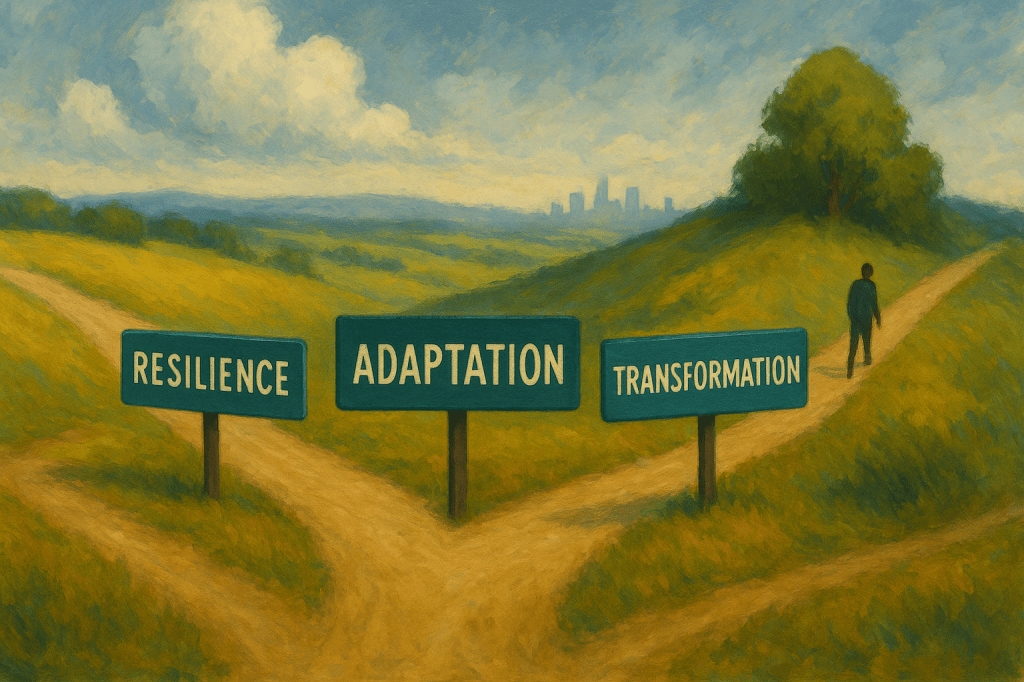 Read more: Resilience, Adaptation, and Transformation: What is the difference?
Resilience, adaptation, and transformation are related but distinct concepts in climate and urban governance. Resilience focuses on maintaining function during disruptions, adaptation involves adjusting to new conditions, and transformation means fundamentally changing systems in response to challenges. Understanding these differences is essential for developing effective, context-specific strategies for climate resilience.
-
 Read more: Adaptive and Inherent Resilience in Urban Environments
Adaptive resilience refers to a city’s ability to adjust and learn in the face of challenges, while inherent resilience comes from built-in strengths like infrastructure and social networks. Both forms are crucial for urban areas to withstand and recover from disruptions, supporting long-term climate resilience and sustainable development.
 Urban Solutions